Silybum marianum
Milk thistle (Silybum marianum) is one of the most studied hepatoprotective plants in Western botanical medicine, with a documented history of clinical use spanning more than two millennia. Its active fraction - silymarin - is a complex of flavonolignans (primarily silybin, silydianin, and silychristin) concentrated in the seeds that protect hepatocytes through multiple mechanisms: antioxidant defense, anti-inflammatory signaling, membrane stabilization, and stimulation of hepatic protein synthesis for liver regeneration. Standardized silymarin extracts are used clinically across Europe for liver disease and are among the better-evidenced herbal interventions for liver enzyme normalization.
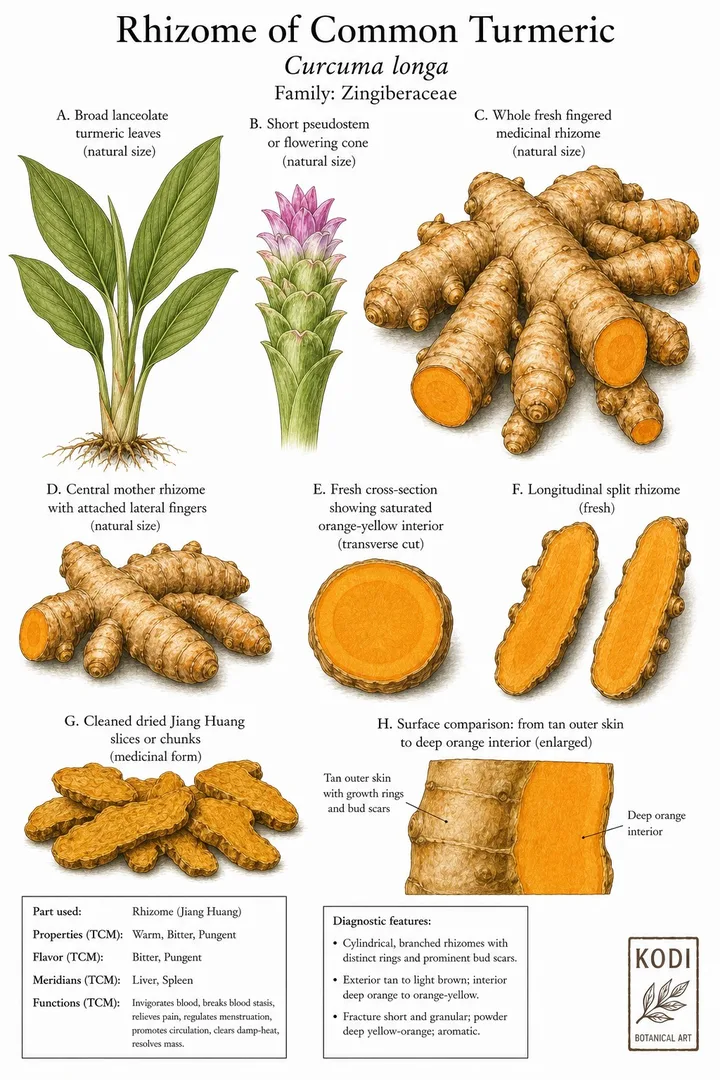
Curcuma longa extract
Curcumin is the primary bioactive polyphenol extracted from turmeric root. It modulates multiple inflammatory pathways simultaneously - including NF-κB, COX-2, and key cytokines - but its clinical impact depends entirely on the formulation. Standard curcumin without a bioavailability enhancer is poorly absorbed; piperine, phospholipid complexes, and nanoparticle delivery systems can increase absorption by up to 2,000%.
| Decision signal |
Milk Thistle |
Curcumin |
| Evidence grade |
Moderate |
Moderate |
| Primary health goal |
Liver & Detox |
Inflammation & Recovery |
| Research focus |
Liver enzyme normalization and hepatocyte protection; Antioxidant defense and glutathione support; Anti-inflammatory action in chronic liver conditions |
Joint comfort and osteoarthritis support; Exercise recovery and DOMS reduction; Systemic inflammation and oxidative stress |
| Studied dose and form |
Standardized silymarin extract (70–80% flavonolignans) ... 140 mg silymarin, 2–3× daily ... With meals |
Curcumin + piperine (BioPerine®) ... 500–1,500 mg curcuminoids + 5–20 mg piperine ... With a fat-containing meal; split into 2 doses if >1,000 mg |
| What to check on the label |
The single most important quality factor with milk thistle supplements is the silymarin content - not the total herb milligrams. A label reading '1,000 mg milk thistle' with no silymarin percentage disclosed tells you almost nothing about therapeutic content. A quality product sp… |
Formulation is everything with curcumin - this is not a supplement where higher milligrams on the label equals better outcomes. A product with 1,500 mg of unformulated 95% curcuminoid extract and no bioavailability enhancer will produce lower serum concentrations than 500 mg of a… |
| Main safety note |
Milk thistle is one of the most well-tolerated herbs in clinical use - adverse event rates in trials are consistently similar to placebo. The most common side effects are mild GI symptoms (loose stools, nausea, bloating) and rare headache, which typically resolve spontaneously. A… |
Curcumin is well tolerated at standard doses; GI upset (nausea, loose stools) is the most common side effect and usually resolves with dose reduction or taking it with food. Curcumin inhibits platelet aggregation and potentiates anticoagulant and antiplatelet medications (warfari… |
This comparison organizes educational ingredient research. It does not establish that either supplement is appropriate for you and it does not compare a specific commercial product.
