Supplement field note
N-Acetylcysteine (NAC) is the acetylated form of the amino acid L-cysteine and the most clinically validated glutathione precursor available as a supplement. Its primary role is replenishing glutathione - the body's master antioxidant - with downstream benefits for liver protection, respiratory health, and systemic oxidative stress. NAC is also directly mucolytic, breaking disulfide bonds in mucus proteins. It has a longer evidence trail than almost any supplement in this space: IV NAC is the FDA-approved standard of care for acetaminophen overdose, and oral forms have been studied in COPD, liver disease, and psychiatric conditions for decades.
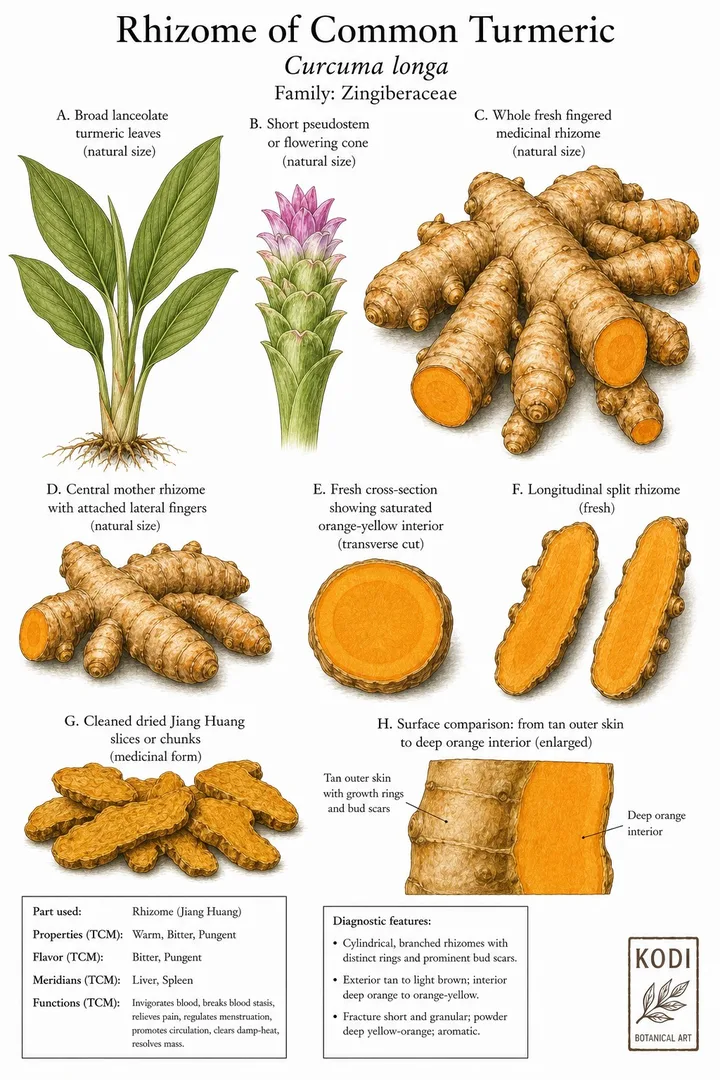
Curcuma longa extract
Curcumin is the primary bioactive polyphenol extracted from turmeric root. It modulates multiple inflammatory pathways simultaneously - including NF-κB, COX-2, and key cytokines - but its clinical impact depends entirely on the formulation. Standard curcumin without a bioavailability enhancer is poorly absorbed; piperine, phospholipid complexes, and nanoparticle delivery systems can increase absorption by up to 2,000%.
| Decision signal |
N-Acetylcysteine (NAC) |
Curcumin |
| Evidence grade |
Moderate |
Moderate |
| Primary health goal |
Liver & Detox |
Inflammation & Recovery |
| Research focus |
Glutathione replenishment and liver protection; Respiratory health and mucolytic support; Systemic antioxidant and emerging psychiatric applications |
Joint comfort and osteoarthritis support; Exercise recovery and DOMS reduction; Systemic inflammation and oxidative stress |
| Studied dose and form |
Oral capsule or tablet (general antioxidant / liver support) ... 600 mg once or twice daily ... With meals; split doses (morning and evening) reduce GI side effects |
Curcumin + piperine (BioPerine®) ... 500–1,500 mg curcuminoids + 5–20 mg piperine ... With a fat-containing meal; split into 2 doses if >1,000 mg |
| What to check on the label |
NAC is a relatively simple compound - N-acetylcysteine is the same molecule across brands, without the formulation complexity that defines curcumin or coenzyme Q10. The primary quality variables are purity, third-party testing, and whether the product is actually delivering the l… |
Formulation is everything with curcumin - this is not a supplement where higher milligrams on the label equals better outcomes. A product with 1,500 mg of unformulated 95% curcuminoid extract and no bioavailability enhancer will produce lower serum concentrations than 500 mg of a… |
| Main safety note |
NAC has an excellent safety profile at standard supplemental doses (600–1,800 mg/day). The most common side effects are GI-related: nausea, vomiting, and diarrhea - reduced significantly by taking with food and splitting doses. The characteristic sulfur smell (from the cysteine m… |
Curcumin is well tolerated at standard doses; GI upset (nausea, loose stools) is the most common side effect and usually resolves with dose reduction or taking it with food. Curcumin inhibits platelet aggregation and potentiates anticoagulant and antiplatelet medications (warfari… |
This comparison organizes educational ingredient research. It does not establish that either supplement is appropriate for you and it does not compare a specific commercial product.
