trans-Resveratrol (Polygonum cuspidatum extract)
Resveratrol is a stilbene polyphenol found in red grape skins, berries, and - most concentrated for supplement use - the root of Japanese knotweed (Polygonum cuspidatum, known in TCM as Hǔ Zhàng / 虎杖). It gained scientific prominence as a proposed explanation for the 'French Paradox' and as a direct activator of SIRT1, the sirtuin deacetylase central to the biology of caloric restriction and longevity. The science is more nuanced than early enthusiasm suggested - human evidence remains emerging - but the mechanistic case for resveratrol in combination with NAD+ precursors (NMN, NR) is coherent, and cardiovascular and anti-inflammatory evidence in human trials is promising.
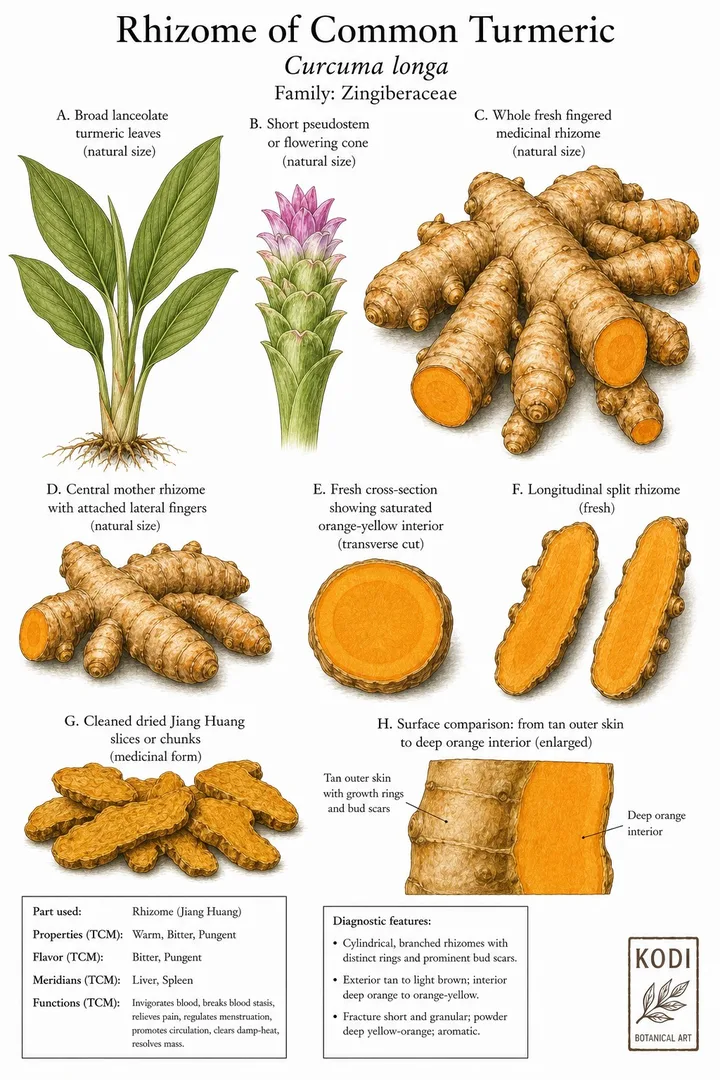
Curcuma longa extract
Curcumin is the primary bioactive polyphenol extracted from turmeric root. It modulates multiple inflammatory pathways simultaneously - including NF-κB, COX-2, and key cytokines - but its clinical impact depends entirely on the formulation. Standard curcumin without a bioavailability enhancer is poorly absorbed; piperine, phospholipid complexes, and nanoparticle delivery systems can increase absorption by up to 2,000%.
| Decision signal |
Resveratrol |
Curcumin |
| Evidence grade |
Emerging |
Moderate |
| Primary health goal |
Longevity & Cellular |
Inflammation & Recovery |
| Research focus |
SIRT1 activation and longevity pathway support; Cardiovascular protection and endothelial function; Anti-inflammatory and antioxidant activity |
Joint comfort and osteoarthritis support; Exercise recovery and DOMS reduction; Systemic inflammation and oxidative stress |
| Studied dose and form |
Micronized trans-resveratrol capsule ... 150–500 mg daily ... With the largest fat-containing meal of the day; morning preferred for NMN combination |
Curcumin + piperine (BioPerine®) ... 500–1,500 mg curcuminoids + 5–20 mg piperine ... With a fat-containing meal; split into 2 doses if >1,000 mg |
| What to check on the label |
Trans-resveratrol is the only biologically active stereoisomer - products should specify trans-resveratrol, not just 'resveratrol.' Japanese knotweed root extract (Polygonum cuspidatum) is the standard supplement source, far more concentrated than grape skin or red wine. Look for… |
Formulation is everything with curcumin - this is not a supplement where higher milligrams on the label equals better outcomes. A product with 1,500 mg of unformulated 95% curcuminoid extract and no bioavailability enhancer will produce lower serum concentrations than 500 mg of a… |
| Main safety note |
Resveratrol has a favorable safety profile in human trials at doses up to 1,000 mg/day. At higher doses (1–5 g/day used in pharmacokinetic studies), GI side effects (diarrhea, nausea, abdominal discomfort) increase substantially - limiting the practical upper dose for daily suppl… |
Curcumin is well tolerated at standard doses; GI upset (nausea, loose stools) is the most common side effect and usually resolves with dose reduction or taking it with food. Curcumin inhibits platelet aggregation and potentiates anticoagulant and antiplatelet medications (warfari… |
This comparison organizes educational ingredient research. It does not establish that either supplement is appropriate for you and it does not compare a specific commercial product.
