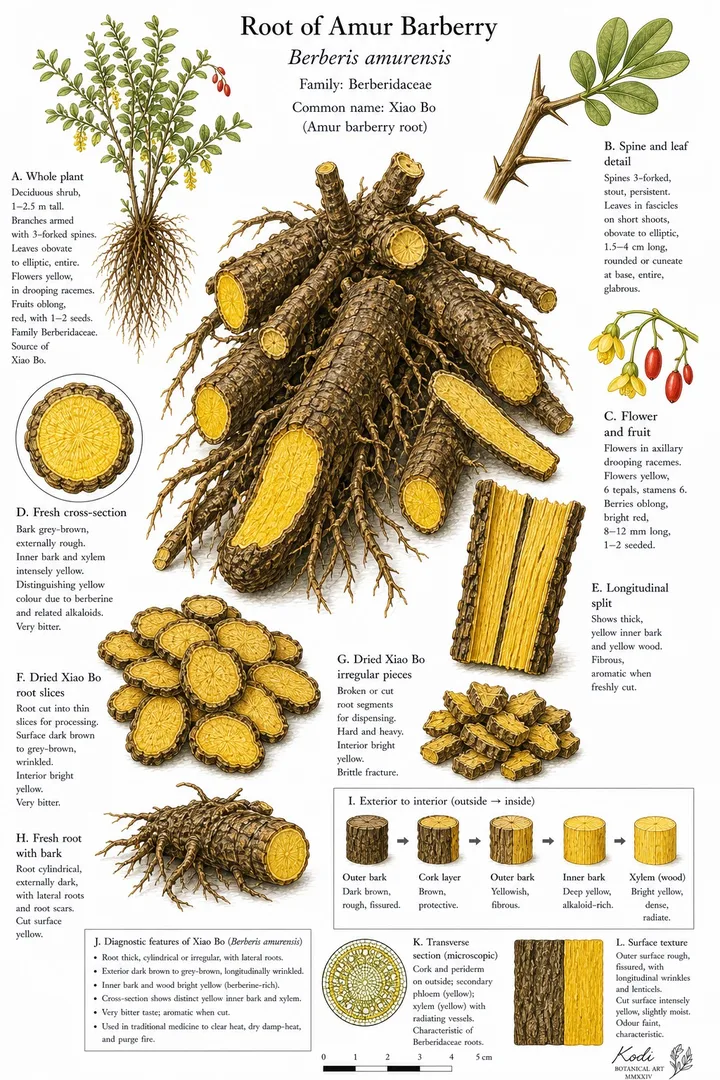
Isoquinoline alkaloid (Berberis spp.)
Berberine is a bitter isoquinoline alkaloid extracted from the roots and bark of several plants - barberry, goldenseal, Oregon grape, and Coptis - with a clinical evidence base that few botanical compounds can match. Its primary mechanism is activation of AMPK (AMP-activated protein kinase), the same energy-sensing enzyme pathway targeted by metformin. This drives improved insulin sensitivity, reduced hepatic glucose output, and meaningful reductions in fasting glucose, HbA1c, and LDL cholesterol. Multiple head-to-head trials against metformin have shown comparable glycemic effects - a finding that has made berberine one of the most discussed metabolic supplements in clinical nutrition.
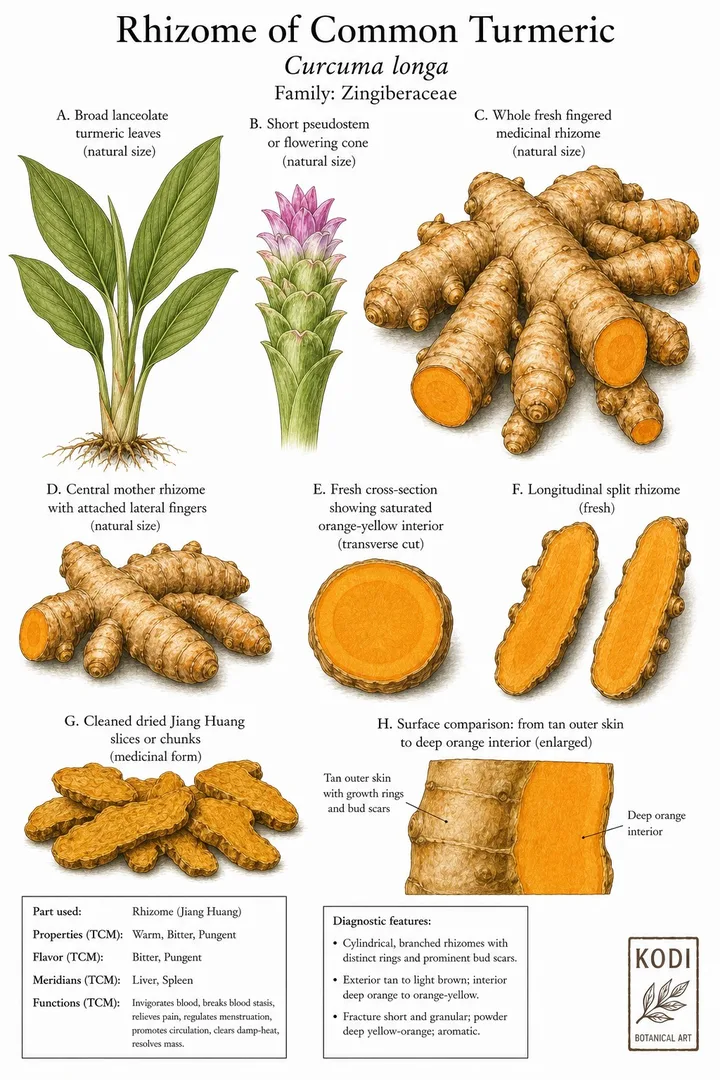
Curcuma longa extract
Curcumin is the primary bioactive polyphenol extracted from turmeric root. It modulates multiple inflammatory pathways simultaneously - including NF-κB, COX-2, and key cytokines - but its clinical impact depends entirely on the formulation. Standard curcumin without a bioavailability enhancer is poorly absorbed; piperine, phospholipid complexes, and nanoparticle delivery systems can increase absorption by up to 2,000%.
| Decision signal |
Berberine |
Curcumin |
| Evidence grade |
Strong |
Moderate |
| Primary health goal |
Metabolic Health |
Inflammation & Recovery |
| Research focus |
Blood glucose regulation and insulin sensitivity; LDL cholesterol and triglyceride reduction; Gut microbiome modulation and metabolic health |
Joint comfort and osteoarthritis support; Exercise recovery and DOMS reduction; Systemic inflammation and oxidative stress |
| Studied dose and form |
Berberine HCl capsule (standard) ... 500 mg, 2–3× daily ... With meals; spread across the day (breakfast, lunch, dinner) |
Curcumin + piperine (BioPerine®) ... 500–1,500 mg curcuminoids + 5–20 mg piperine ... With a fat-containing meal; split into 2 doses if >1,000 mg |
| What to check on the label |
Berberine HCl (hydrochloride salt) is the standard form used in most clinical trials and the most widely available. The HCl designation refers to the salt form for stability - it is the same active molecule. Some manufacturers use berberine sulfate or other salts without evidence… |
Formulation is everything with curcumin - this is not a supplement where higher milligrams on the label equals better outcomes. A product with 1,500 mg of unformulated 95% curcuminoid extract and no bioavailability enhancer will produce lower serum concentrations than 500 mg of a… |
| Main safety note |
Berberine is well tolerated in most adults at standard doses (500 mg 2–3× daily). GI side effects - nausea, constipation, diarrhea, abdominal discomfort - are the most common, particularly when starting. Taking with food and titrating the dose gradually over 2–4 weeks reduces the… |
Curcumin is well tolerated at standard doses; GI upset (nausea, loose stools) is the most common side effect and usually resolves with dose reduction or taking it with food. Curcumin inhibits platelet aggregation and potentiates anticoagulant and antiplatelet medications (warfari… |
This comparison organizes educational ingredient research. It does not establish that either supplement is appropriate for you and it does not compare a specific commercial product.
