Coenzyme Q10
Coenzyme Q10 (CoQ10) is a fat-soluble compound produced by every cell in the body and essential to mitochondrial ATP production. It functions as an electron carrier in the respiratory chain and as a potent antioxidant in cell membranes and lipoproteins. CoQ10 levels decline with age and are further depleted by statin medications - the drug class most associated with CoQ10 discussion in clinical practice. The form matters: ubiquinol (the reduced, active form) has substantially higher bioavailability in older adults than ubiquinone (the oxidized form) and is the preferred supplement choice for anyone over 40.
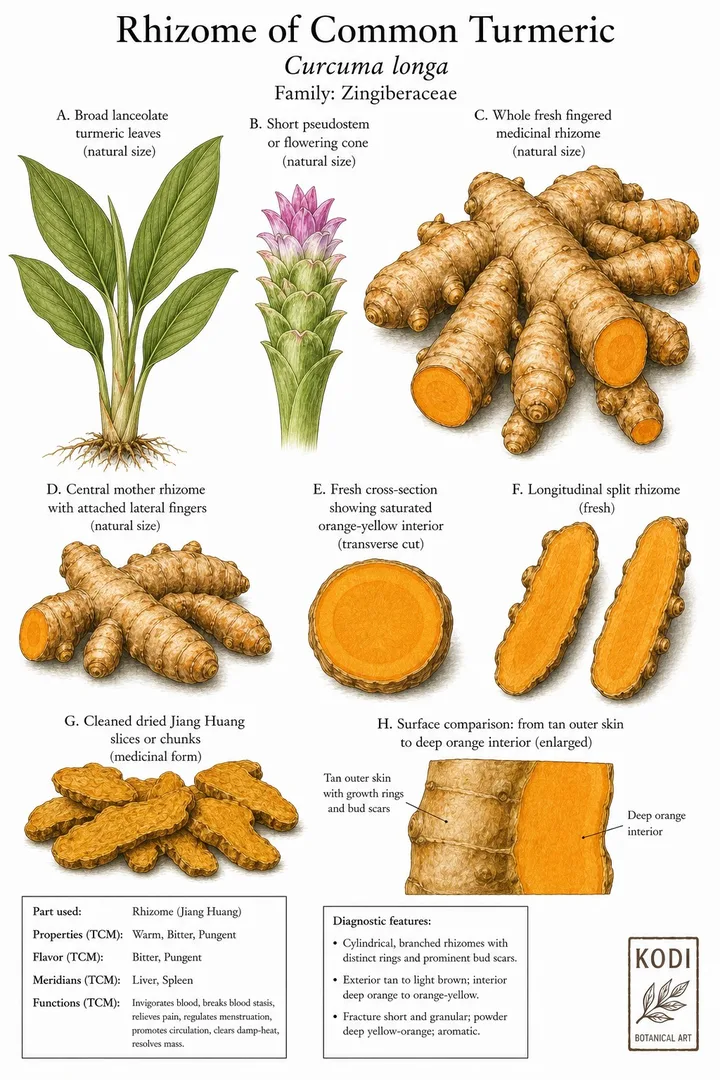
Curcuma longa extract
Curcumin is the primary bioactive polyphenol extracted from turmeric root. It modulates multiple inflammatory pathways simultaneously - including NF-κB, COX-2, and key cytokines - but its clinical impact depends entirely on the formulation. Standard curcumin without a bioavailability enhancer is poorly absorbed; piperine, phospholipid complexes, and nanoparticle delivery systems can increase absorption by up to 2,000%.
| Decision signal |
CoQ10 (Ubiquinol) |
Curcumin |
| Evidence grade |
Moderate |
Moderate |
| Primary health goal |
Longevity & Cellular |
Inflammation & Recovery |
| Research focus |
Mitochondrial energy production and fatigue reduction; Statin-associated muscle symptom support; Cardiovascular protection and antioxidant defense |
Joint comfort and osteoarthritis support; Exercise recovery and DOMS reduction; Systemic inflammation and oxidative stress |
| Studied dose and form |
Ubiquinol (reduced form - recommended for 40+) ... 100–200 mg once daily ... With the largest fat-containing meal of the day |
Curcumin + piperine (BioPerine®) ... 500–1,500 mg curcuminoids + 5–20 mg piperine ... With a fat-containing meal; split into 2 doses if >1,000 mg |
| What to check on the label |
The form selection is the most important decision with CoQ10. Ubiquinol and ubiquinone are the same molecule in different redox states - both are CoQ10. The body constantly interconverts them, but the conversion of ubiquinone to ubiquinol becomes less efficient with age, declinin… |
Formulation is everything with curcumin - this is not a supplement where higher milligrams on the label equals better outcomes. A product with 1,500 mg of unformulated 95% curcuminoid extract and no bioavailability enhancer will produce lower serum concentrations than 500 mg of a… |
| Main safety note |
CoQ10 is remarkably well tolerated - clinical trials including the 2-year Q-SYMBIO cardiovascular trial have found no significant adverse effects at 300 mg/day compared to placebo. The most commonly reported side effects at higher doses are mild GI symptoms (nausea, stomach disco… |
Curcumin is well tolerated at standard doses; GI upset (nausea, loose stools) is the most common side effect and usually resolves with dose reduction or taking it with food. Curcumin inhibits platelet aggregation and potentiates anticoagulant and antiplatelet medications (warfari… |
This comparison organizes educational ingredient research. It does not establish that either supplement is appropriate for you and it does not compare a specific commercial product.
