Supplement field note
Creatine monohydrate is one of the most extensively researched compounds in sports science and nutritional biochemistry, with over 700 peer-reviewed studies and a safety profile established over more than three decades. Its mechanism is simple and well-understood: it replenishes phosphocreatine stores in muscle cells, accelerating ATP regeneration during high-intensity effort. Beyond performance, creatine research increasingly demonstrates benefits for muscle preservation in aging adults, bone density support, and - more recently - cognitive function and brain energy metabolism. The monohydrate form remains the standard, despite decades of marketing for alternatives.
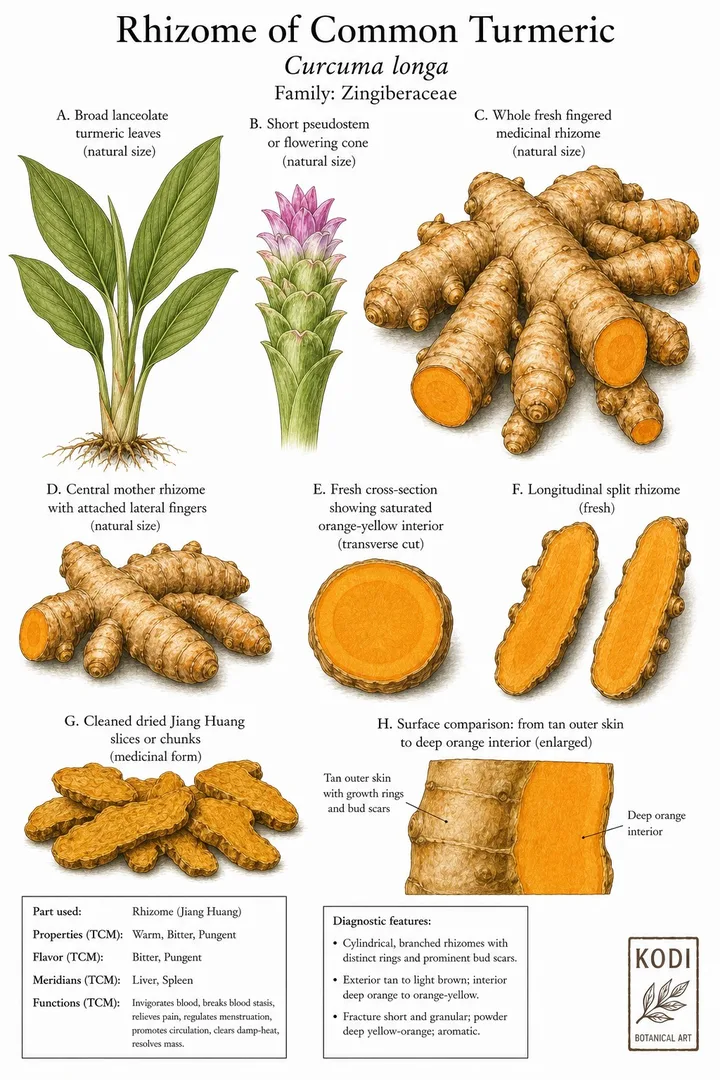
Curcuma longa extract
Curcumin is the primary bioactive polyphenol extracted from turmeric root. It modulates multiple inflammatory pathways simultaneously - including NF-κB, COX-2, and key cytokines - but its clinical impact depends entirely on the formulation. Standard curcumin without a bioavailability enhancer is poorly absorbed; piperine, phospholipid complexes, and nanoparticle delivery systems can increase absorption by up to 2,000%.
| Decision signal |
Creatine Monohydrate |
Curcumin |
| Evidence grade |
Strong |
Moderate |
| Primary health goal |
Bone & Muscle |
Inflammation & Recovery |
| Research focus |
Strength, power, and muscle mass preservation; Sarcopenia prevention in aging adults; Cognitive function and brain energy support |
Joint comfort and osteoarthritis support; Exercise recovery and DOMS reduction; Systemic inflammation and oxidative stress |
| Studied dose and form |
Creatine monohydrate powder (maintenance dose) ... 3–5 g daily ... Timing is not critical - post-workout may have a modest advantage but consistency matters more; take with carbohydrates or … |
Curcumin + piperine (BioPerine®) ... 500–1,500 mg curcuminoids + 5–20 mg piperine ... With a fat-containing meal; split into 2 doses if >1,000 mg |
| What to check on the label |
Creatine monohydrate is the correct answer for most people. After decades and hundreds of studies, no alternative form (HCl, ethyl ester, buffered, nitrate) has demonstrated superior outcomes in head-to-head trials against monohydrate. Creatine HCl requires a smaller dose volume … |
Formulation is everything with curcumin - this is not a supplement where higher milligrams on the label equals better outcomes. A product with 1,500 mg of unformulated 95% curcuminoid extract and no bioavailability enhancer will produce lower serum concentrations than 500 mg of a… |
| Main safety note |
Creatine monohydrate has one of the most thoroughly characterized safety profiles of any supplement, with international sports nutrition organizations (ISSN, EFSA) concluding it is safe for healthy adults at 3–5 g/day in long-term use. The most common side effect is water retenti… |
Curcumin is well tolerated at standard doses; GI upset (nausea, loose stools) is the most common side effect and usually resolves with dose reduction or taking it with food. Curcumin inhibits platelet aggregation and potentiates anticoagulant and antiplatelet medications (warfari… |
This comparison organizes educational ingredient research. It does not establish that either supplement is appropriate for you and it does not compare a specific commercial product.
